


Define the Brief
Product, quantity, market, visual direction and timing.
Premium, custom and sustainable packaging
Market-driven packaging research, custom bottle engineering and commercially viable plastic, glass, closure, paper and sustainable packaging solutions for ambitious brands.
What is PauPack?
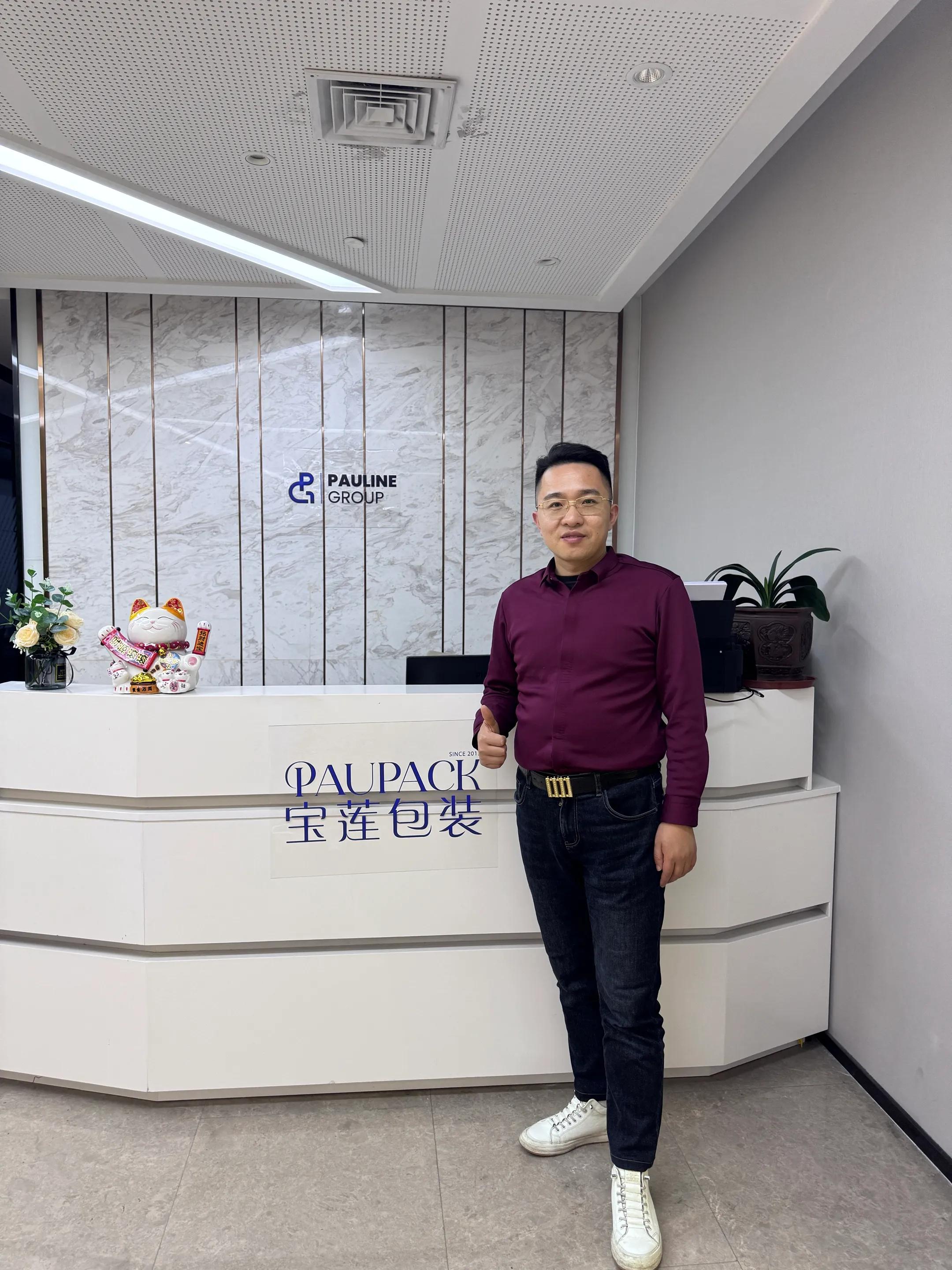
PauPack develops premium bottles, jars, closures and packaging systems for brands that need design, quality and delivery decisions to stay connected.

Click to watch the video
Buyer routes
Choose the project route that matches your responsibility, then connect the commercial brief to product, material, mold, closure and quality decisions.
Develop a distinctive, repeatable package for a premium launch or line extension.
Coordinate components, filling needs, documentation discussion and repeat supply.
Compare stock, decorated and custom options with clear MOQ and delivery assumptions.
Turn a visual direction into a feasible bottle, component and decoration system.
Packaging systems
Products now use the new PauPack structure: nine B2B categories and 96 detailed product-family pages, with direct paths to sustainable packaging, custom mold development, components and the relevant application pages.
5 product families
Explore collection
5 product families
Explore collection
5 product families
Explore collection
5 product families
Explore collection
5 product families
Explore collection
5 product families
Explore collection
5 product families
Explore collection
5 product families
Explore collection
5 product families
Explore collection
One-stop solution route
Premium packaging projects work better when product selection, design engineering, custom mold feasibility, materials, components, decoration, quality gates and delivery planning are reviewed as one commercial system.
Project route
A simple four-stage route keeps design, commercial scope, quality and delivery aligned before production release.
Product, quantity, market, visual direction and timing.
Container, closure, material, decoration and feasibility.
Assembly, appearance, quality criteria and packing.
Production control, project coordination and delivery.
Quality evidence
Documents and testing requirements depend on the product, material, manufacturing site and destination market. Claims and document availability should be verified against the final product route before publication or market entry.
| Category | Typical materials | Decoration options | Indicative MOQ |
|---|---|---|---|
| Glass Bottles | Clear, frosted, colored | Coating, silk screen, hot stamping, frosting | 5,000 to 10,000 pcs |
| Plastic Bottles | PET, PCR PET, HDPE, PE, PP | Printing, labeling, heat transfer, coating | 5,000 to 20,000 pcs |
| Closures | PP, ABS, aluminum, wood | UV coating, plating, engraving | 10,000 to 50,000 pcs |
Quality documentation
Review the current certificate scope, project documentation and agreed quality route alongside the packaging brief.

Connect the selected packaging route with the relevant material, test, inspection and quality records before production release.
Customer testimonials
Project feedback helps buyers evaluate the decisions that matter: premium presentation, sustainable material choices, component compatibility and dependable project coordination.
The breadth of glass formats and decoration support helped us create a more premium, consistent product presentation across the line.
PauPack's practical approach to sustainable materials gave our team a clearer route for evaluating PLA packaging without losing commercial focus.
Surface-finish detail and component-compatibility review helped our packaging arrive with the presentation standard our team expected.
Design support, sustainable material options and transparent project communication gave our portfolio team a more reliable development route.
Project RFQ
Share your target product, capacity, material, decoration, estimated quantity and launch schedule. The team can recommend the practical next route: stock selection, sample matching or custom development.
Buyer selection focus
PauPack acts as a packaging development partner for brands that need the bottle or jar, closure, decoration, label, carton and project controls considered together. A complete packaging system is not a bundle of disconnected components: it is an agreed route for product use, visual direction, component matching, quality criteria, packing and delivery.
This approach helps purchasing teams compare custom packaging solutions against a common scope. It also gives product and operations teams a clearer decision path from concept through sample approval and commercial release.
B2B sourcing FAQ
Direct answers for product, procurement, quality and project teams. Final specifications, performance checks and market requirements must be confirmed for the selected project route.
A complete packaging system can be scoped around the primary container, closure or dispenser, decoration, label, carton and protective packing. The buyer should define which components, approvals, quality criteria and delivery handoffs are included before comparing commercial proposals.
PauPack is structured for brands, OEMs, contract manufacturers and purchasing teams that need a coordinated packaging route rather than an isolated bottle price. A useful brief may combine a primary container, closure or dispenser, decoration, secondary packaging, quality criteria and delivery planning.
Use the required differentiation, launch timing, annual volume, budget and need for a proprietary feature to compare the three routes. A stock platform can shorten early development, a modified system can improve brand fit, and custom tooling is appropriate when the brief cannot be met by available components.
A lower-impact option must still protect the product, work with the required closure and decoration, fit the intended market and have supportable evidence. PCR, recycled glass, refill and material-simplification routes should be compared against appearance, component fit, MOQ, supply continuity and the final claim wording.
Share the product category, capacity, material direction, target quantity, closure or dispensing requirement, visual reference, target market, destination and requested arrival date. A current sample, drawing or mood board helps distinguish a direct match from a new development route.